

Visual Parent Guide
Baby Poop Visual Guide
A pediatric gastroenterologist's chart of normal and abnormal infant stool, including what dairy allergy baby poop actually looks like.
Every parent stares into a diaper and wonders if what they are seeing is normal. Color, texture, mucus, a fleck of blood, a sudden change in frequency: infant stool is one of the earliest signals of how the gut is working, and it is one of the most common reasons families call our practice.
This visual guide walks through the stool colors and textures we see most often in babies, what each one usually means, and which patterns are the classic picture of cow's milk protein allergy, also known as allergic proctocolitis. Use it as a reference, not a diagnosis. If something looks off, please book a visit.
Written by Dr. Natasha Mendez, board-certified pediatric gastroenterologist in Boca Raton, FL.
Quick answers
- Which colors are normal?
- Mustard yellow, tan, brown, and green are all normal in a well baby who is feeding and gaining weight.
- Which colors need a call?
- Chalky white or pale clay, black tarry stool after the first week, and any red blood beyond a few streaks should be evaluated. White or pale stool in a newborn is urgent.
- What does a dairy allergy look like?
- Loose green stool with ropy mucus and small bright red blood streaks in a baby who otherwise looks well is the classic picture of cow's milk protein allergy.
- How often should a baby poop?
- Anywhere from after every feed to once every several days can be normal, as long as the stool stays soft and the baby is comfortable.
Infant stool at a glance
Each swatch below approximates the color you may see in the diaper. Texture and context matter as much as color, so read the description alongside the swatch.
Mustard yellow, seedy
NormalGolden yellow
Texture: Loose, seedy, cottage-cheese curds
Classic healthy breastfed stool. Frequency ranges from after every feed to once every several days.
Tan or light brown
NormalPale tan to yellow-brown
Texture: Pasty, toothpaste-like
Typical formula-fed stool. Slightly firmer and less frequent than breastfed stool.
Green
Watch and book a visitGrass to olive green
Texture: Loose or normal
Often benign. Can reflect fast transit, iron in formula, or a foremilk-hindmilk imbalance. Watch when paired with mucus or fussiness.
Frothy green with mucus
Watch and book a visitBright green with slimy strings
Texture: Frothy, watery, ropy mucus threads
Common early sign of cow's milk protein sensitivity or a gut irritation. Track how often it appears and how the baby feeds.
Streaks or flecks of red blood
Watch and book a visitYellow or green with bright red streaks
Texture: Normal to loose stool with visible red threads or specks
The hallmark of allergic proctocolitis (cow's milk protein allergy). Baby usually looks well. Needs a pediatric GI evaluation, not the ER, unless bleeding is heavy.
Mucus without blood
Watch and book a visitClear, white, or yellow slimy strings
Texture: Slimy, ropy, egg-white texture
Can come from a mild virus, teething drool, or early food protein irritation. Persistent mucus over a week warrants evaluation.
Hard pellets or logs
Watch and book a visitBrown
Texture: Firm balls, cracked logs, painful to pass
Infant or toddler constipation. Common at formula transitions and starting solids. Treat early to prevent stool withholding.
Watery, explosive
Watch and book a visitYellow, green, or brown
Texture: Liquid, no form, soaks the diaper
Acute diarrhea, usually viral. Concerning if it lasts over a week, contains blood, or comes with dehydration.
Black tarry
Call now or go to the ERDeep black, sticky
Texture: Thick, tar-like, shiny
After the first few days of life, black tarry stool suggests bleeding higher in the GI tract. Seek same-day medical care.
Maroon or currant jelly
Call now or go to the ERDark red with jelly consistency
Texture: Thick, jelly-like, dark red or plum
Can signal intussusception or significant bleeding. This is a medical emergency. Go to the emergency room.
White, chalky, or clay
Call now or go to the ERPale white to putty gray
Texture: Chalky, pale
May indicate a liver or bile duct problem such as biliary atresia. Needs urgent pediatric GI evaluation.
The classic milk protein pattern
Cow's milk protein allergy in infants rarely looks like a dramatic allergic reaction. Most babies have a slow, patchy pattern in the diaper over days to weeks. The single most recognizable finding is streaks of bright red blood in an otherwise well baby.
- Bright red streaks or flecks of blood on top of the stool, not mixed through it
- Ropy, egg-white mucus that appears in more than one diaper per day
- Green frothy stools that keep coming back over 1 to 2 weeks
- Eczema on the cheeks or scalp that is not improving with routine care
- Fussiness, arching, or pulling off the breast or bottle mid-feed
- Falling percentiles on the growth curve even with good feeds
A dedicated deep dive lives in our cow's milk protein allergy guide and our condition page on allergic proctocolitis.
When to skip the guide and call
Most changes in baby poop are not emergencies. These are the ones that are.
- Large volumes of blood or bleeding from the rectum
- Black tarry stools after the newborn period
- Maroon or currant-jelly stools
- White, chalky, or clay-colored stools
- Diarrhea with fever over 100.4F in a baby under 3 months
- Signs of dehydration: no wet diaper in 8 hours, sunken soft spot, no tears when crying
- A swollen or tender belly with vomiting
For any of these, call your pediatrician or head to the emergency department. Do not wait for a specialist appointment.
Three diapers we see every week
Real stool photos are hard to publish, so we commissioned illustrations of the three patterns parents ask about most. Compare what you see at home against these, then read the full chart above.
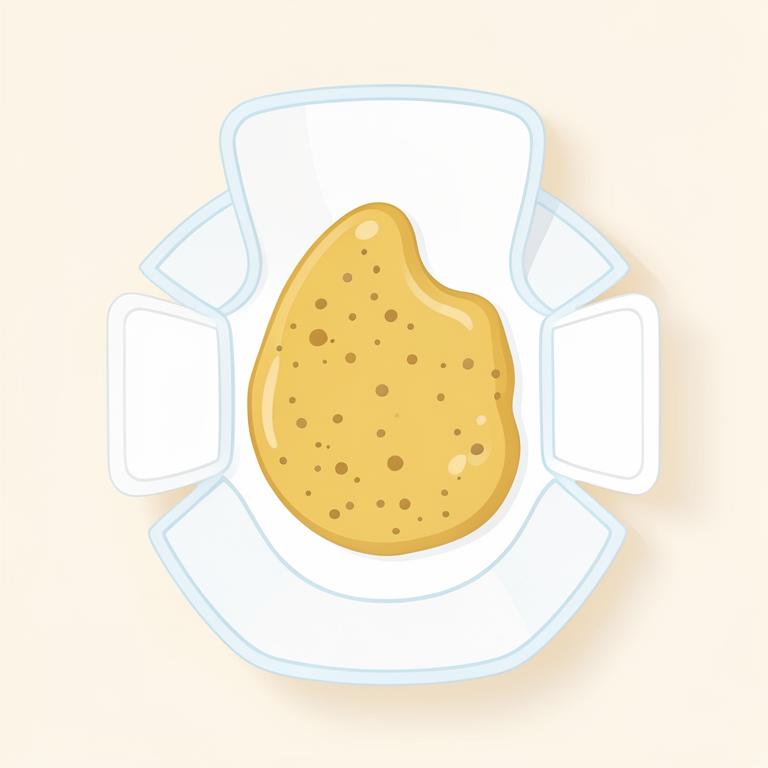
Normal: mustard yellow and seedy
The classic healthy breastfed diaper. Seedy texture, loose consistency, and a yellow or mustard tone.
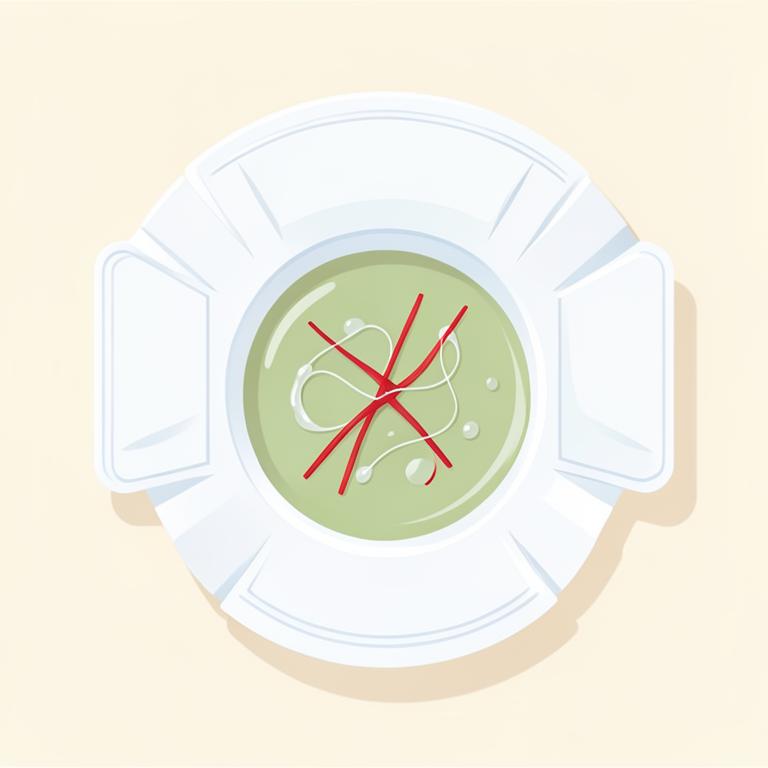
Milk protein allergy pattern
Loose green stool with ropy mucus and small bright red streaks in an otherwise well baby. This is the diaper pattern we see most with cow's milk protein allergy.

Constipation: hard pellets
Firm, dry pellets that are painful to pass. Frequency matters less than texture; soft daily stools are the goal.
How to tell them apart
Blood
Distinct red or maroon color. Streaks lie on top of the stool or mix with mucus. Even a small amount is worth documenting with a photo for your pediatric GI.
Mucus
Clear, white, or yellow ropy strings, often described as egg white or jelly. A one-off diaper is usually nothing; daily mucus for a week is worth a visit.
Normal variation
Color and frequency shift with feeds, teething, illness, and starting solids. If the baby is comfortable, feeding well, and growing, a single unusual diaper is almost always fine.
A quick tip from the clinic
Take a well-lit photo of any diaper that surprises you and note the time, the last feed, and any other symptoms. A short diaper log turns a stressful guessing game into a clear picture we can act on together in clinic.
Frequently asked
What does dairy allergy baby poop look like?
The classic pattern is small streaks or flecks of bright red blood mixed with ropy, jelly-like mucus in an otherwise loose, greenish stool. The baby usually looks well and is feeding and gaining weight. This picture is called allergic proctocolitis and is the most common face of cow's milk protein allergy in young infants.
Is green baby poop always a problem?
No. Green stools are common and often just a fast transit through the gut, iron-fortified formula, or a foremilk and hindmilk imbalance in breastfed babies. Green becomes concerning when it is paired with mucus, blood, poor feeding, or a fussy uncomfortable baby.
How much blood in a diaper is an emergency?
Small pink streaks or a few red flecks are usually allergic proctocolitis or a tiny anal fissure and can be evaluated in a routine pediatric GI visit. Large volumes of red blood, black tarry stools (melena), maroon or currant-jelly stools, or blood with vomiting, a swollen belly, or a lethargic baby need same-day emergency evaluation.
What is normal breastfed vs formula-fed baby poop?
Breastfed newborn stools are typically mustard yellow, seedy, and loose, and can happen after every feed or as rarely as once a week after the first month. Formula-fed stools are pastier, tan to yellow-brown, and usually happen one to four times a day. Both are normal as long as the baby is comfortable and growing.
Should I switch formulas if I see mucus in the diaper?
Occasional mucus can come from teething, drool, or a mild virus and does not always need a formula change. Persistent mucus over more than a week, especially with blood streaks, eczema, or reflux, is the point to see a pediatric GI before making blind formula swaps.
When should I worry about baby diarrhea?
Watery stools that soak through the diaper more than 6 to 8 times a day, last longer than 5 to 7 days, contain blood, or come with fever, vomiting, or signs of dehydration (few wet diapers, sunken soft spot, no tears) need medical evaluation. Chronic loose stools without those red flags are still worth a pediatric GI visit.
What color is baby poop with lactose intolerance?
Stools are usually loose to watery, frothy or foamy, and pale yellow to green, often with a sharp sour smell and visible gas or explosive spraying in the diaper. True congenital lactose intolerance in infants is rare, and secondary lactose intolerance after a stomach virus is far more common and temporary. Sour, frothy green stools without blood point toward lactose or carbohydrate malabsorption; blood streaks with ropy mucus point toward milk protein allergy instead.
What does milk allergy blood in infant stool look like?
Most often it is small bright red streaks, flecks, or thin threads sitting on top of a loose greenish stool alongside clear or jelly-like mucus, not a diaper full of blood. It can look like a few specks of pepper or a smear of raspberry jam. Babies with this pattern usually look well, feed, and grow. Black tarry stools, maroon or currant-jelly stools, or large volumes of red blood are different and need same-day evaluation.
Can I diagnose milk protein allergy from photos alone?
Photos help a lot, and we encourage parents to bring diaper pictures to the visit, but they cannot replace the exam. Anal fissures, swallowed maternal blood, infection, and allergic proctocolitis can all look similar in a diaper. A pediatric GI puts the picture together with feeding history, growth, skin, and reflux symptoms before committing your baby to weeks of formula changes.
Keep reading
Cow's milk protein allergy guide
Symptoms, formulas, and a specialist's dairy free weaning plan.
Allergic proctocolitis
The condition page for infant blood-streaked stools from food protein reactions.
Infant reflux
When spit-up, arching, and feeding refusal cross the line into GERD.
Hypoallergenic formula guide
Choosing between extensively hydrolyzed and amino acid formulas.
Not sure what you are seeing?
Bring a photo and your questions. Dr. Mendez takes the time to walk through the diaper, the feeding history, and the growth curve so you leave with a plan, not a guess.